Emerging from a Rothko painting with Kalash Criminel
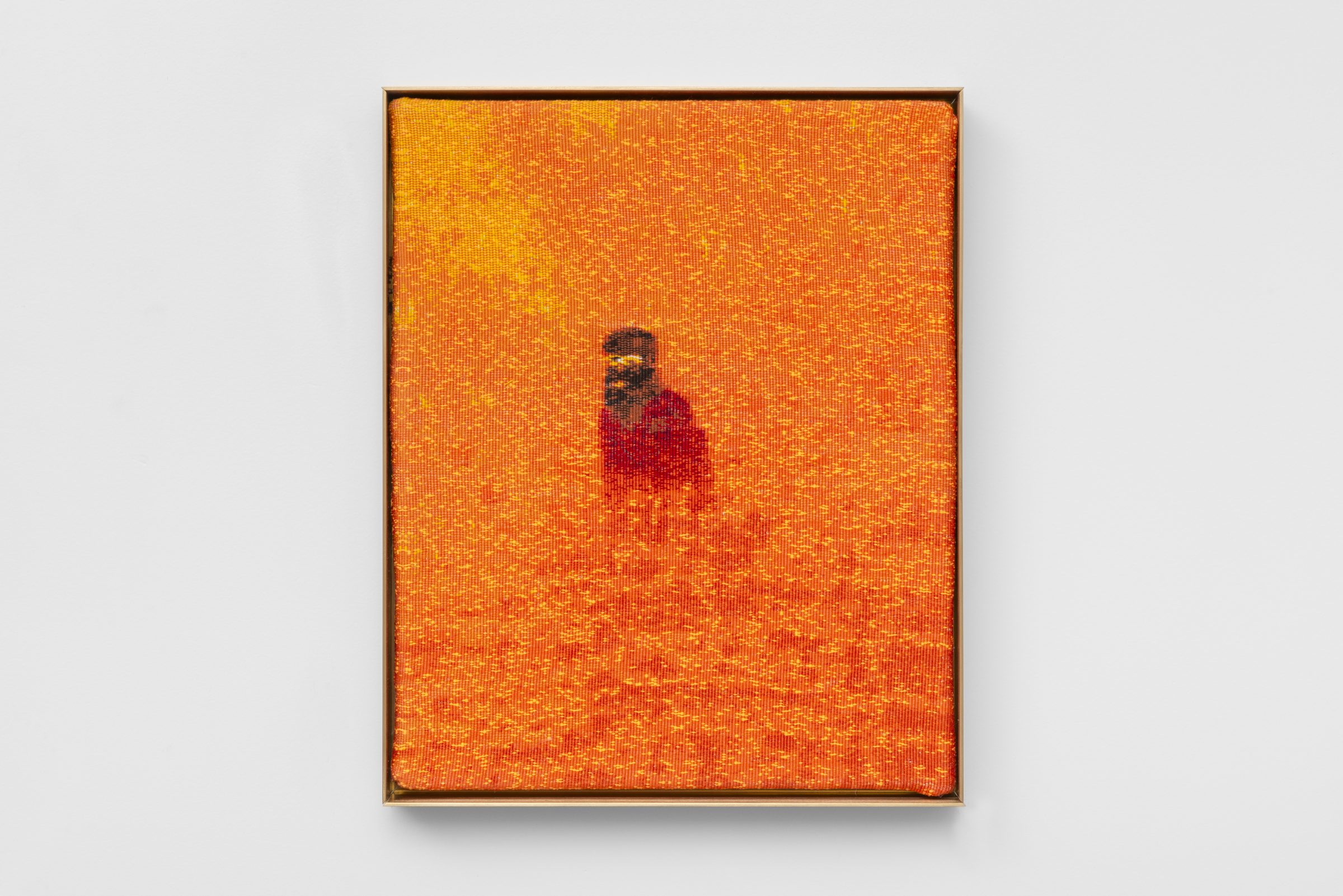
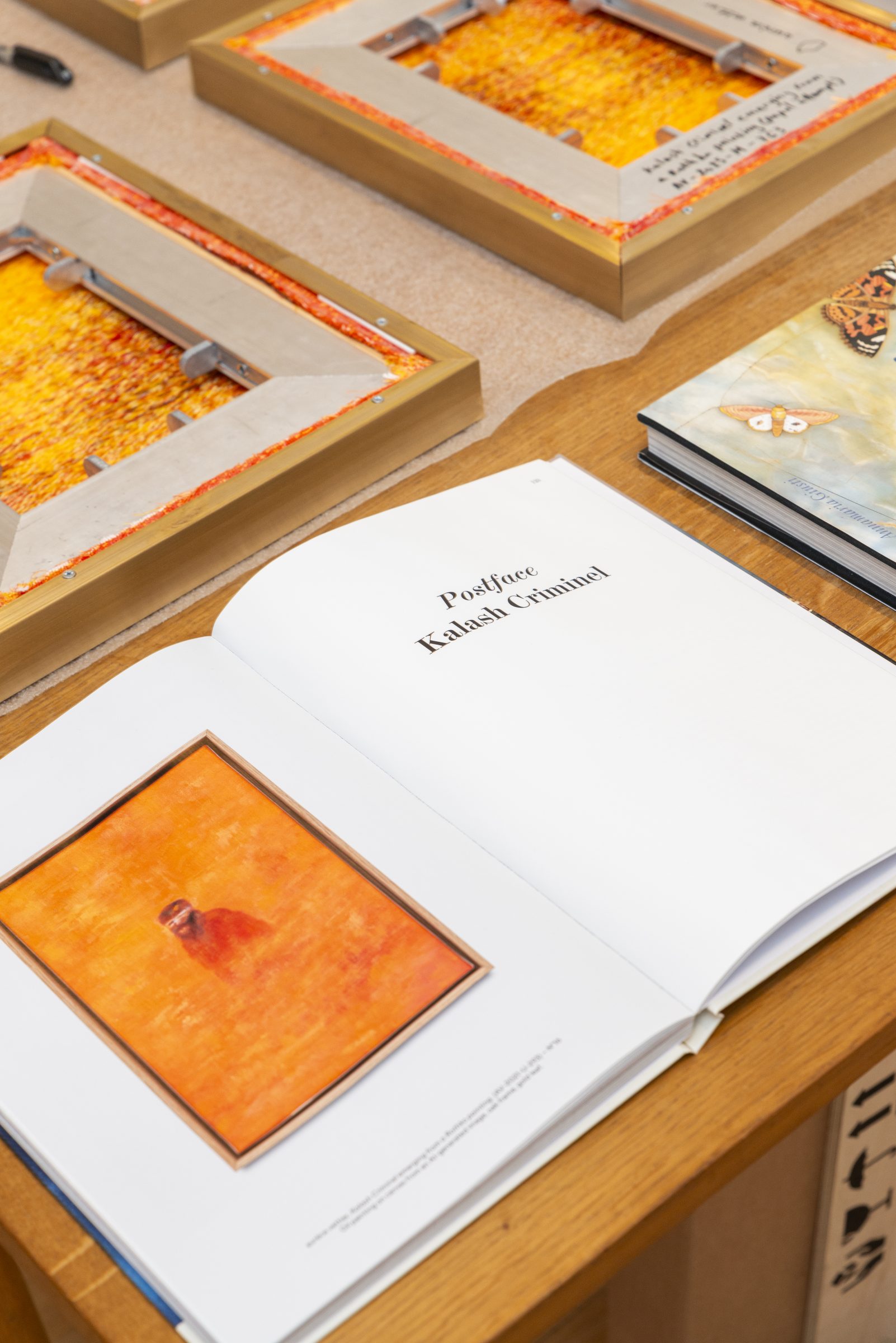
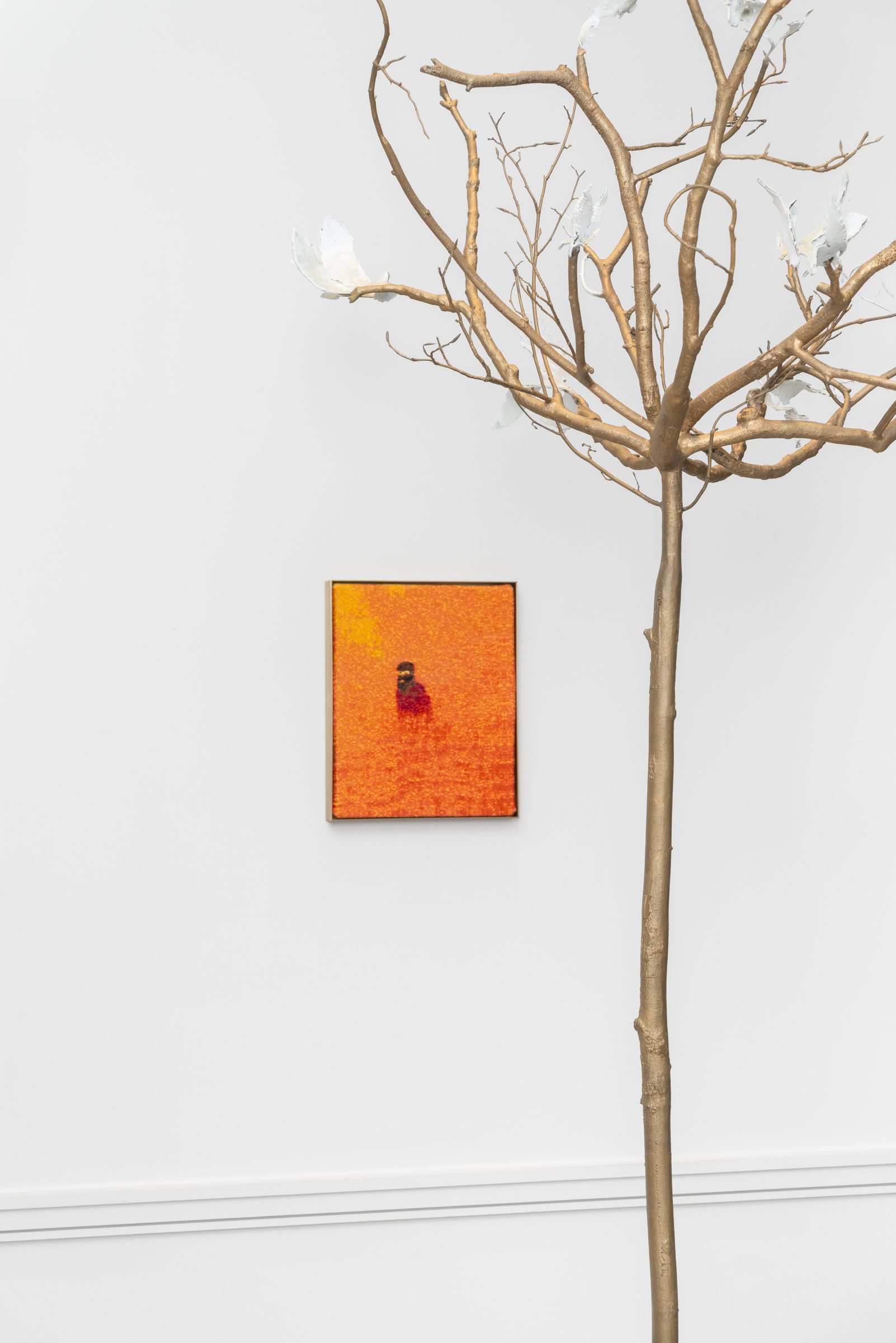
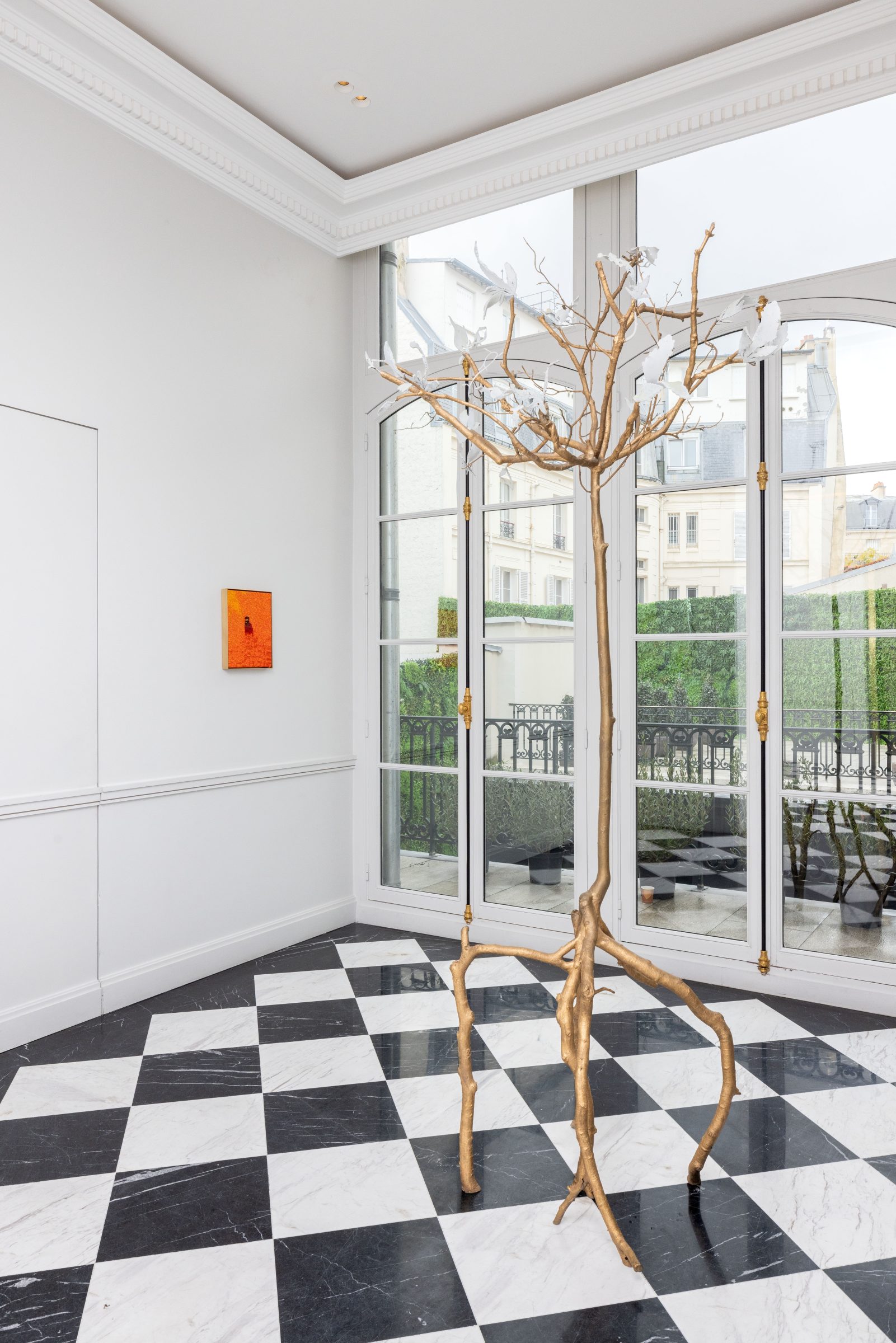
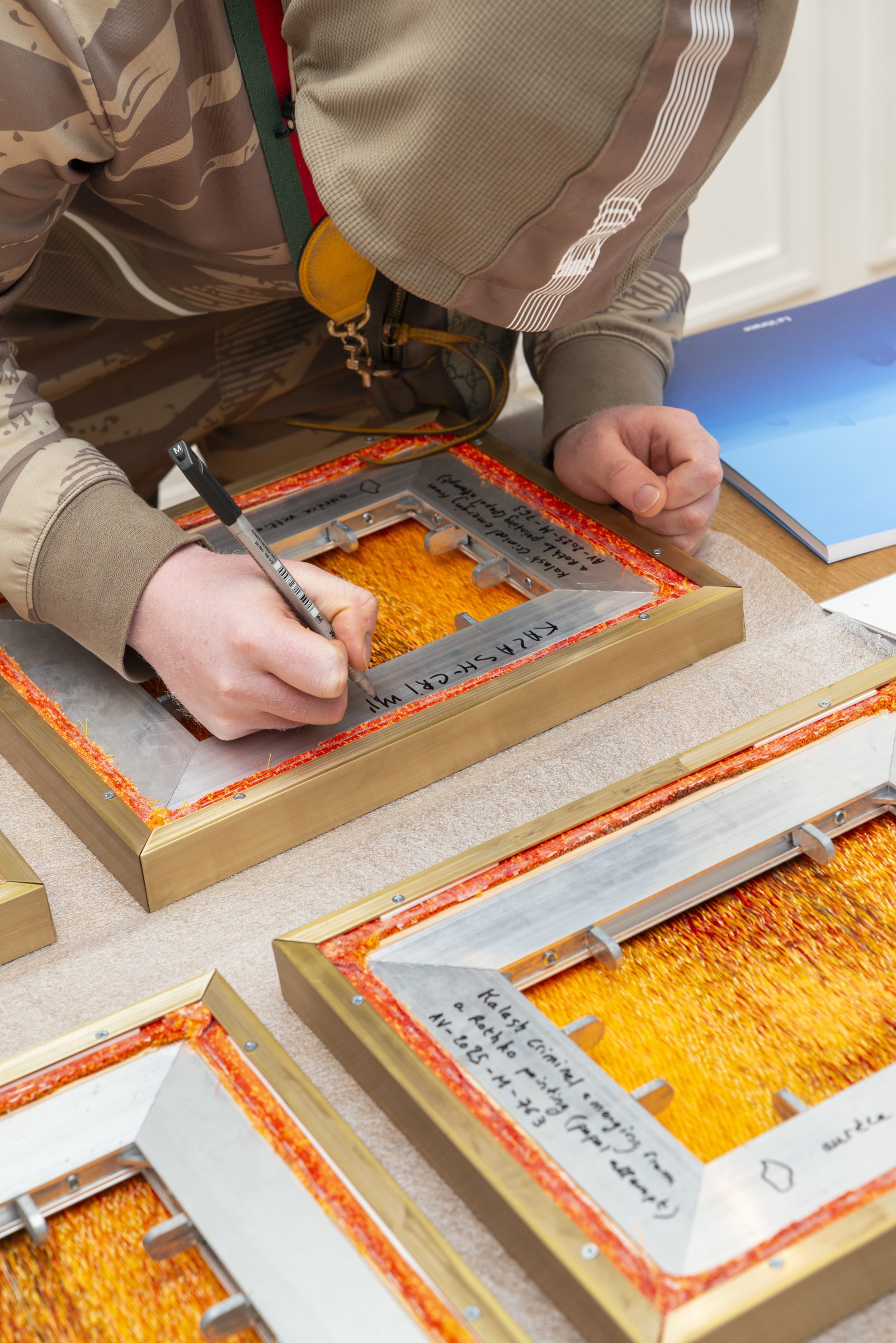
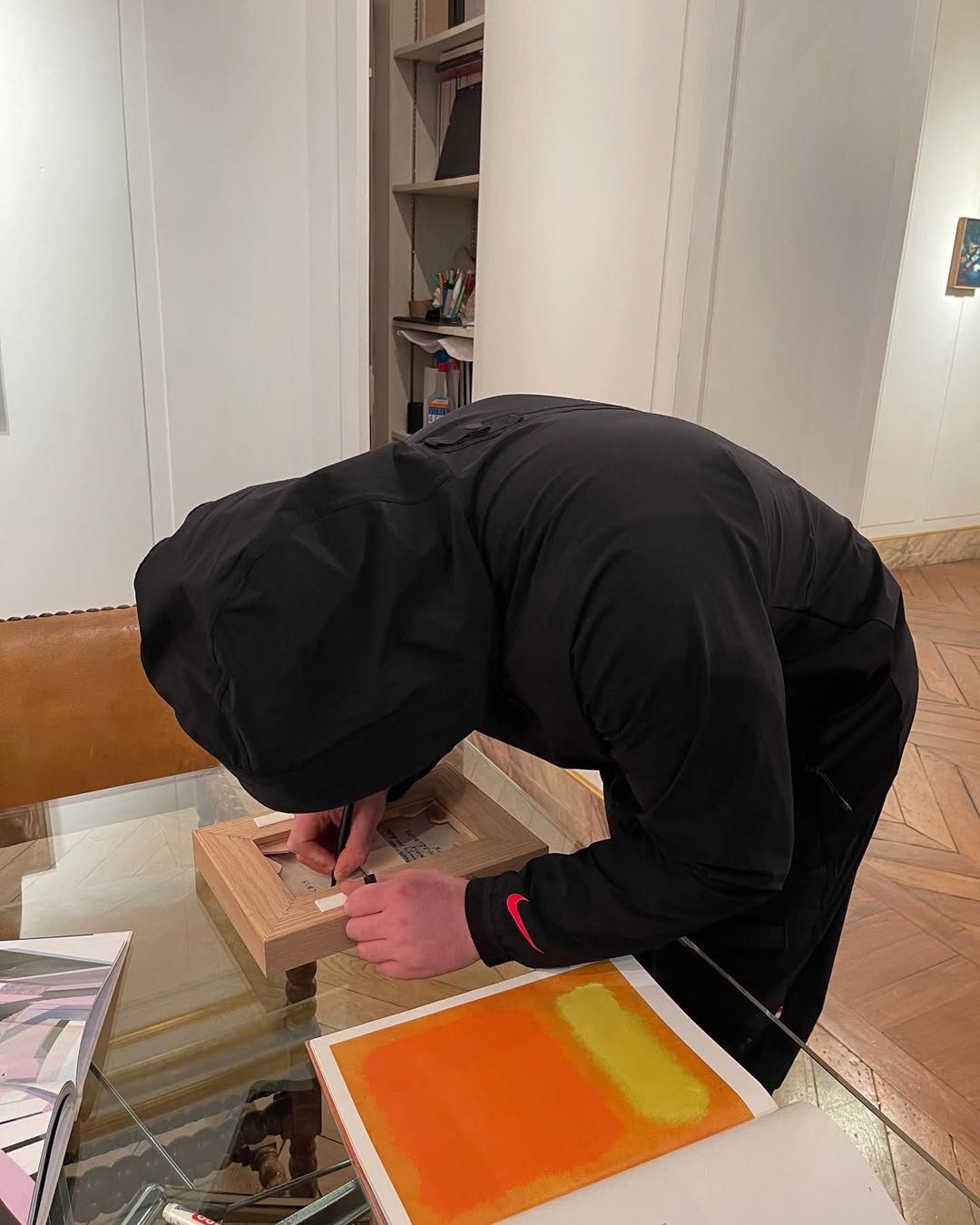
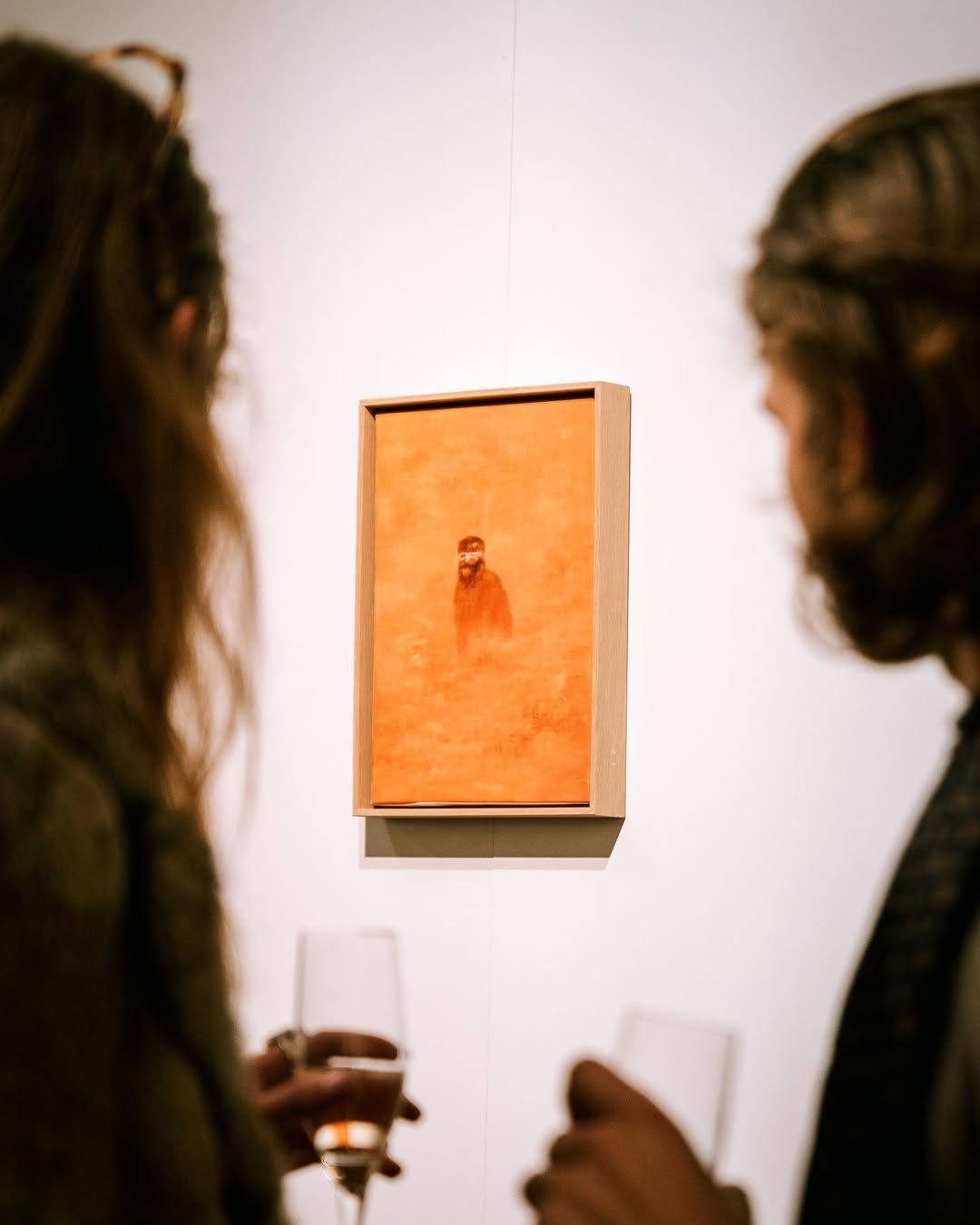
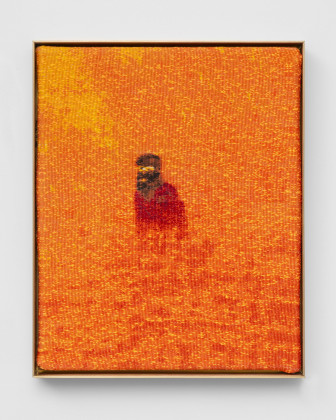
Kalash Criminel emerging from a Rothko painting (papal attempt), Tapestry from an AI-generated image, 2025
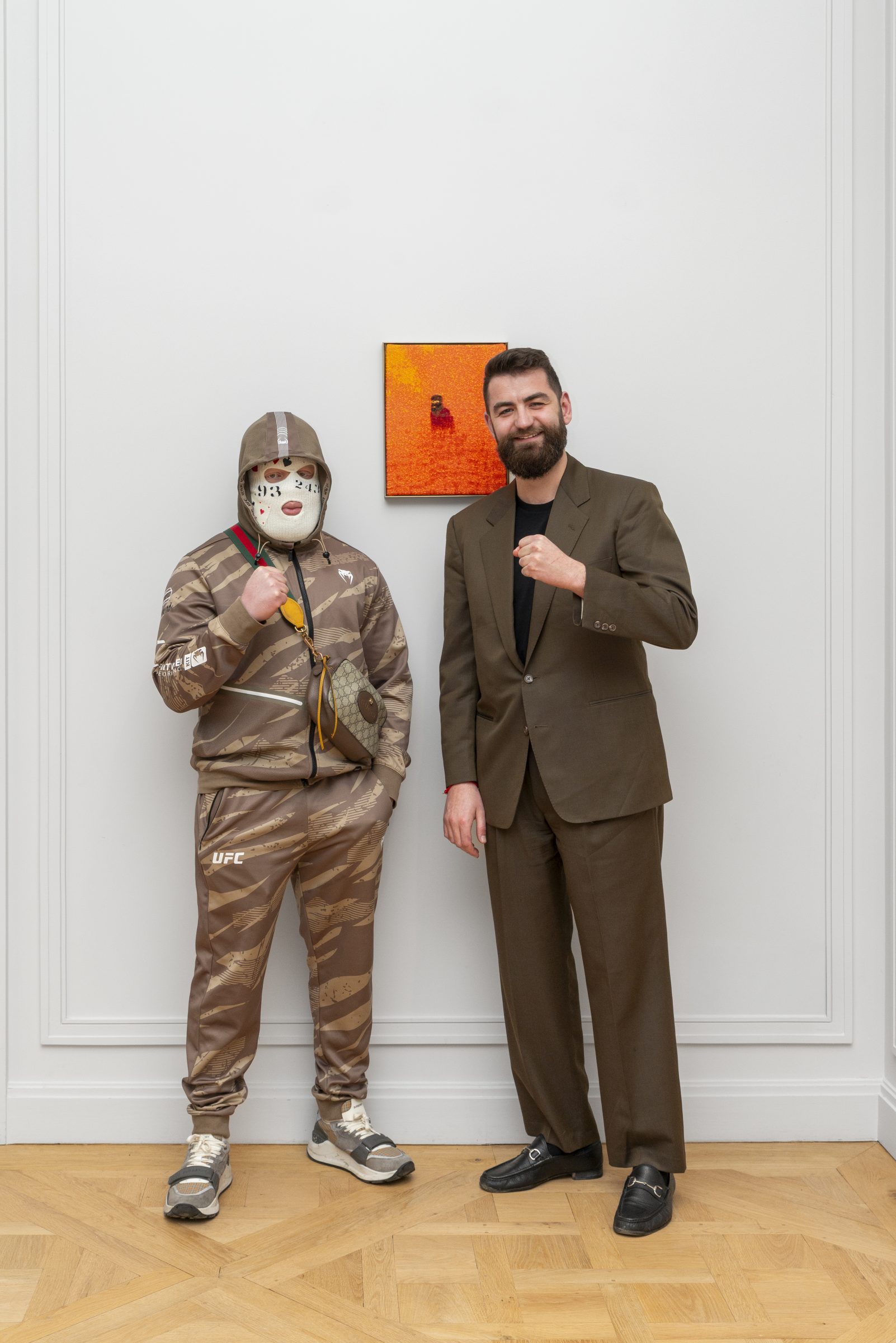
Photo Paul Hennebelle
A dialogue over several years — aurèce vettier and Kalash Criminel
Some works arrive fully formed in a dream and take years to find their final material. Kalash Criminel emerging from a Rothko painting is one of them, and its slow unfolding traces an unlikely friendship between an artist working at the frontier of AI and craft, and one of the most singular voices in French rap.
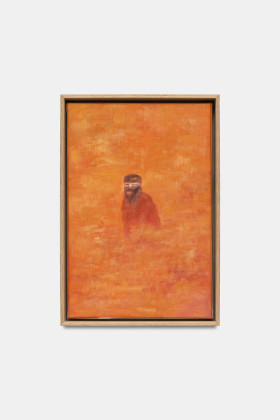
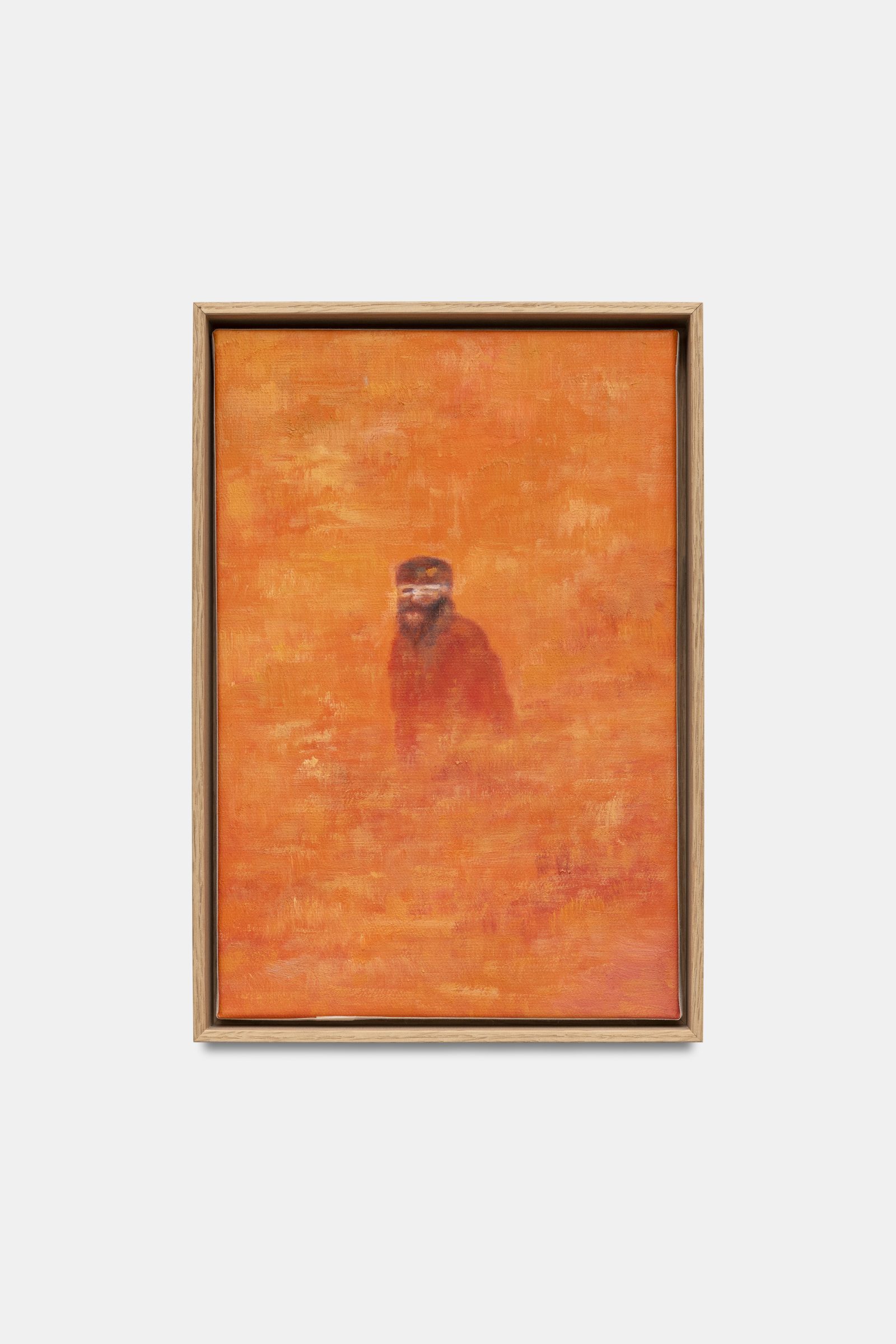
The image came first, in 2021, as one of thirty-three paintings derived from dreams for the exhibition Circular Ruins.
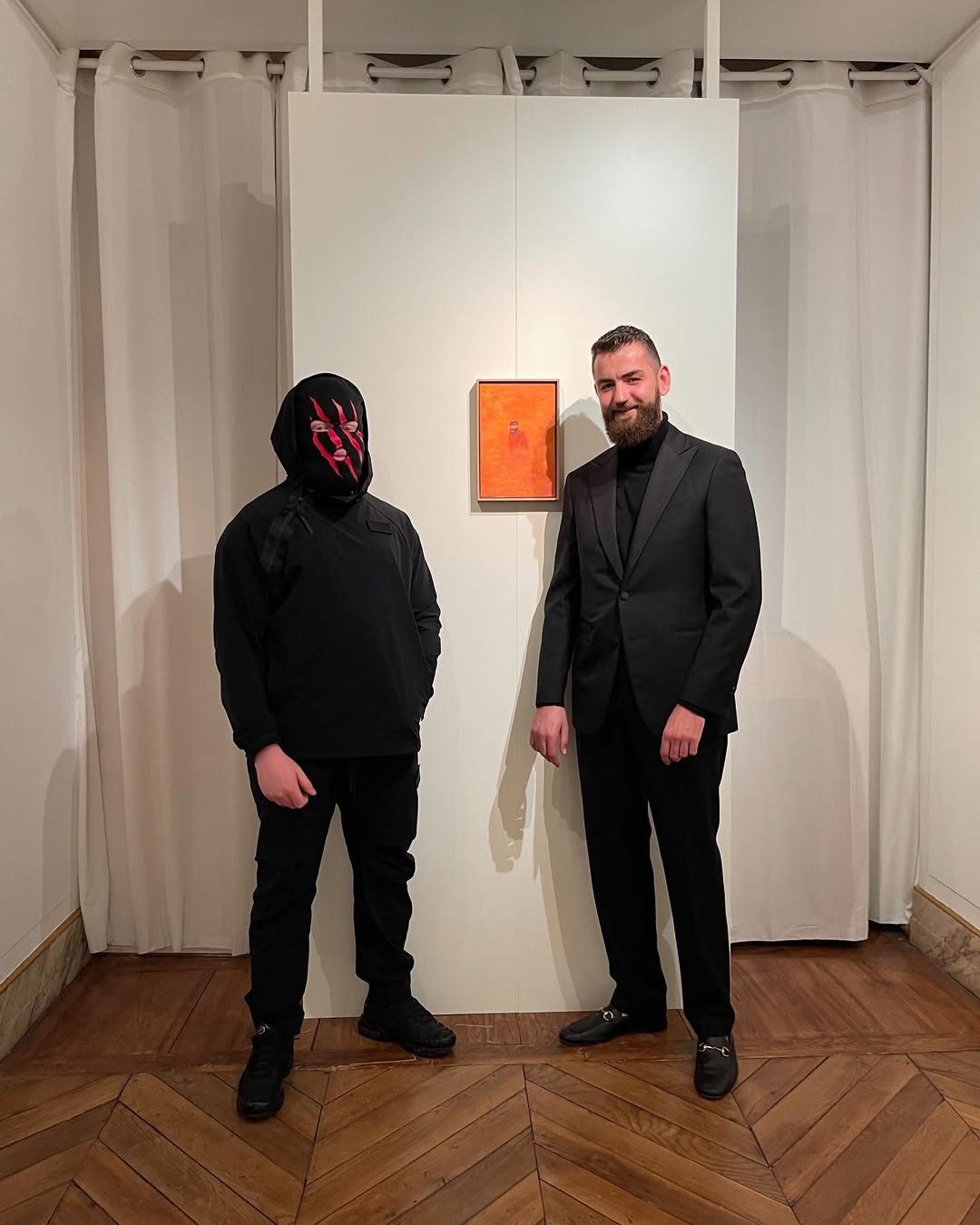
A single canvas depicted the rapper Kalash Criminel rising out of a field of Rothko color, an oil painting on canvas from an AI-generated image, framed in oak and adorned with gold leaf. A day before the opening of the exhibition at Galerie Darmo in 2022, Kalash Criminel came to see the work that bore his name and, standing before it, signed the canvas himself. What could have remained a one-off encounter became the start of a conversation.
That conversation deepened when the rapper agreed to contribute a postface to aurèce vettier's catalogue le travail des rêves, written from a distance: a sincere reflection on artificial intelligence, dreams, and the improbable ways it had brought two artists together, reproduced in full below. It is a rare document, far from a critic writing about the work from the outside, but rather a fellow dreamer, wary of the machine yet moved by what it had made possible.
The dream returned to matter once more in late 2025. From the original vision, aurèce vettier produced an edition of eight Aubusson tapestries, Kalash Criminel emerging from a Rothko painting (papal attempt), woven in wool, cotton, viscose, and metallic fiber in the historic ateliers of Aubusson, the digital dream rendered in one of the oldest textile techniques in France.
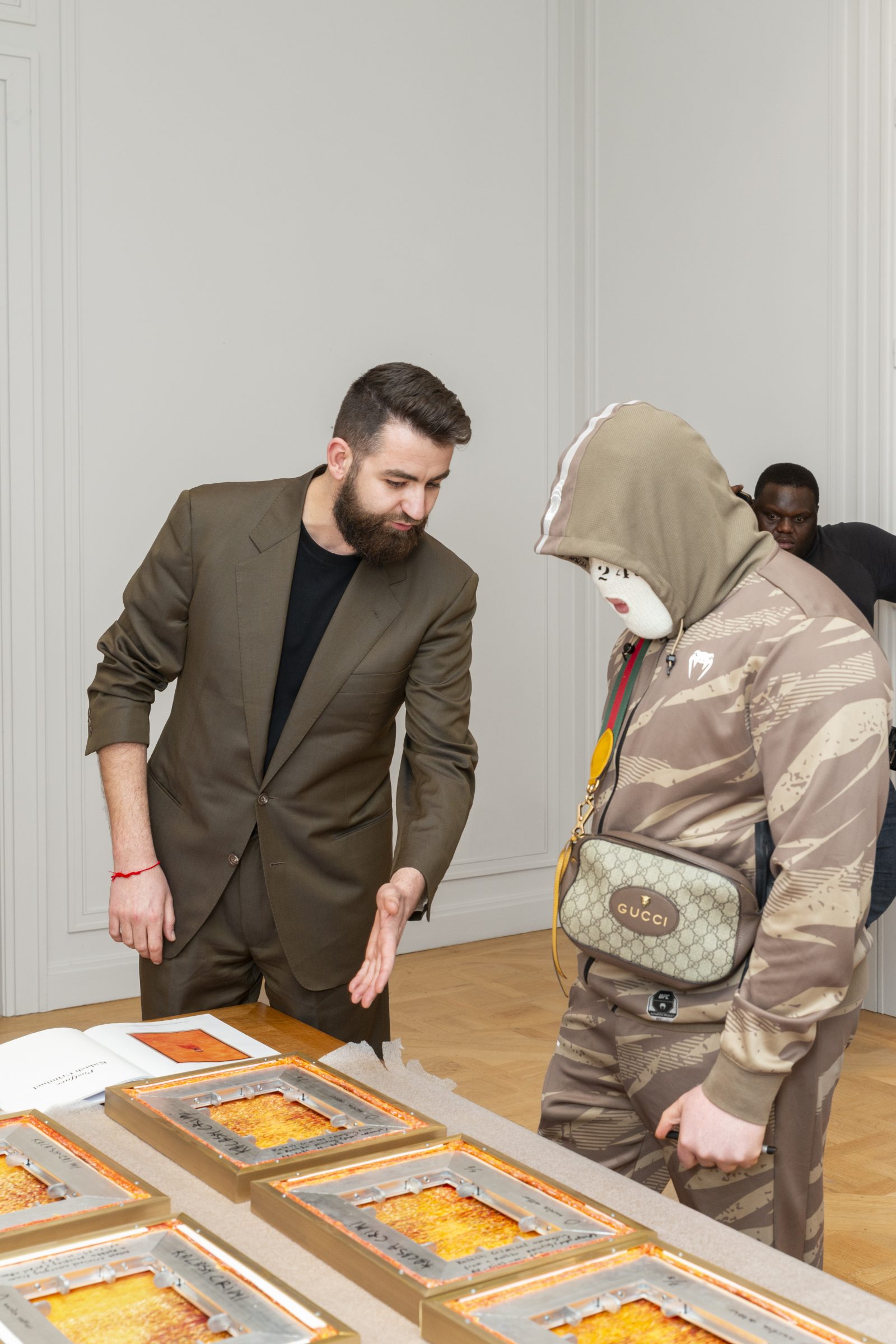
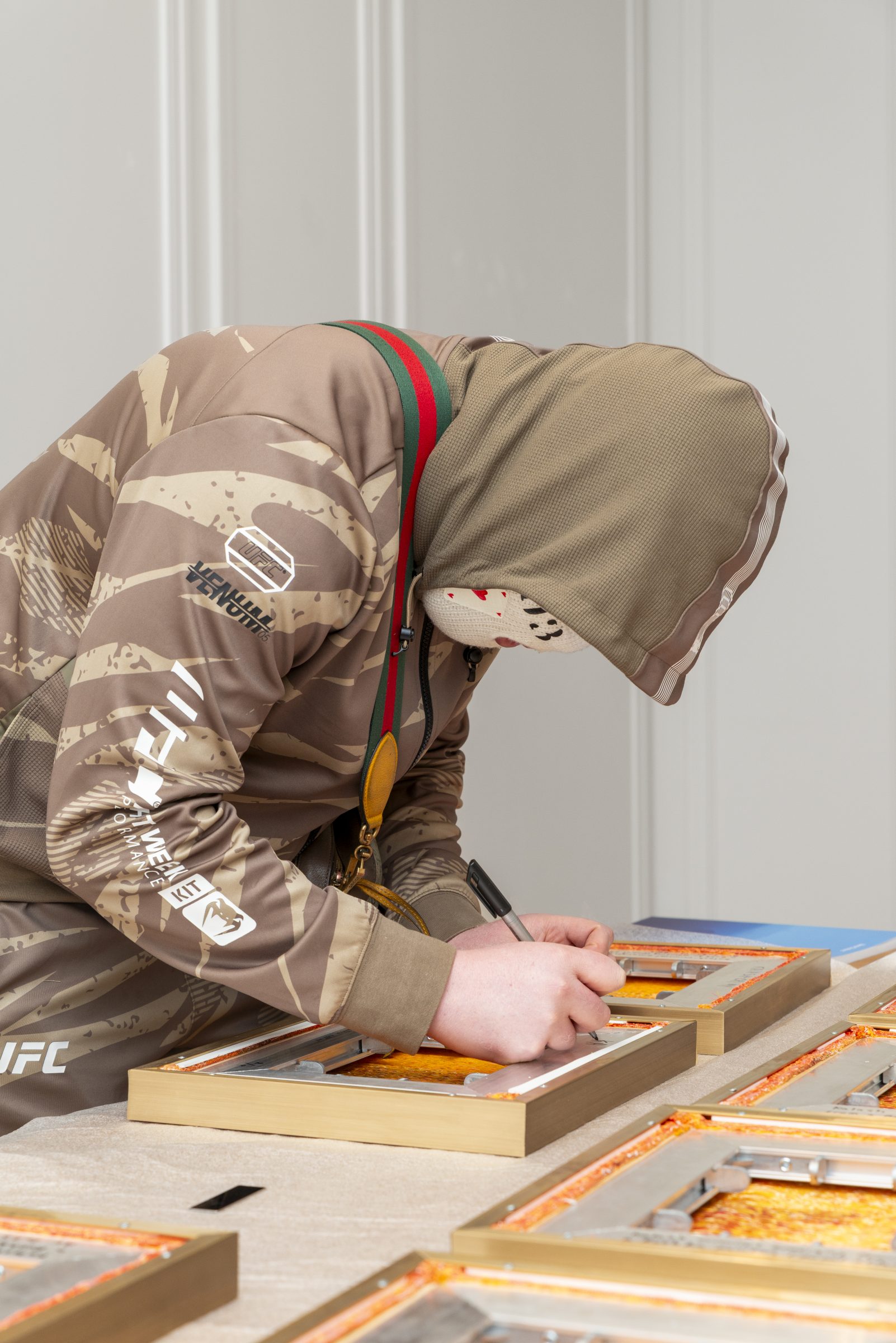
On the occasion of the tapestry's presentation, the two artists met again at Galerie Darmo. The work has since entered two major American collections, as well as Kalash Criminel's own.
Across a painting, a text, and a tapestry, spanning several years and signed by both hands, this is a dialogue about what machines can and cannot do, held between two people who might never have met without the excuse of the algorithm. In the artist's own words, echoed by the rapper: without AI, we would probably never have crossed paths.
--
Postface by Kalash Criminel — le travail des rêves
Yo, whassup?
When I discovered the painting, I was quite surprised, because I knew about artificial intelligence, but nothing much at all. Now, everything is way more developed than when Paul and I first met.
But already, I was surprised to see the link between the description of dreams and the images we could generate, especially when he made a demonstration of the model he was using for the series. It was powerful and real.
In fact, I think that's what artificial intelligence was created for: to bring together ideas, to try to connect distant fields and see what happens, to be surprised. Actually, it also enabled us to meet each other, and when you think about it, artificial intelligence also enabled this rather improbable adventure.
I sometimes have sounds or phrases in my dreams, and reproduce them in real life: for example, with the Cougar Gang track, it was while I was asleep that I came up with the refrain: "[censored]". When I woke up, I thought it was an incredible idea and I put it to music.
I write a lot in my head, my inspiration is pretty instantaneous and if I ran out of inspiration, I'd rather stop, clearly, than use a machine.
So I don't necessarily believe I'll be using artificial intelligence for my music, my lyrics or my videos. I don't think so. But never say never.