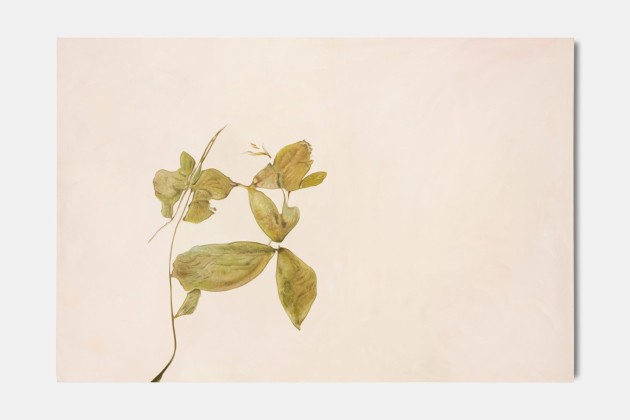
"Sillons" Fertile, Paris
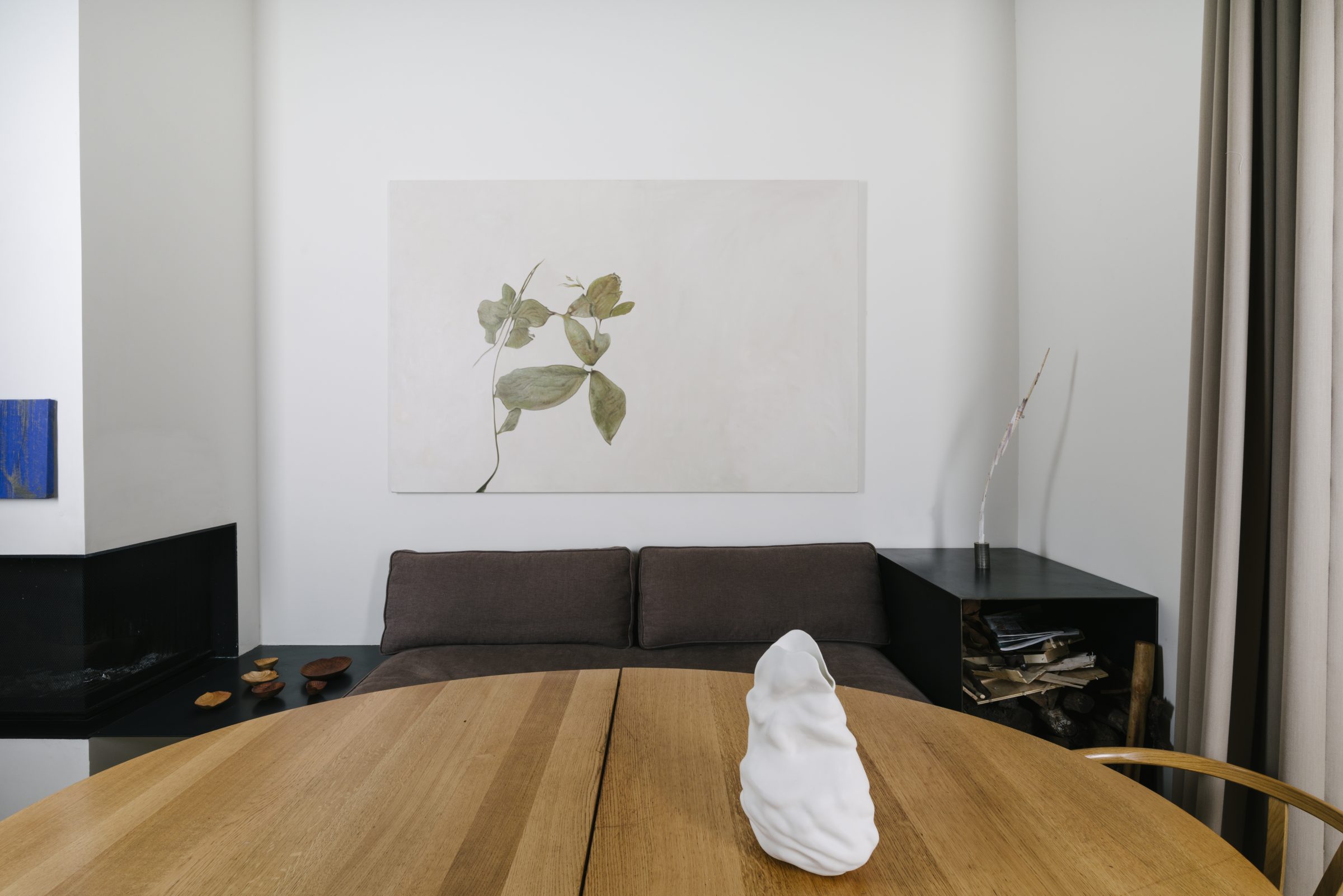
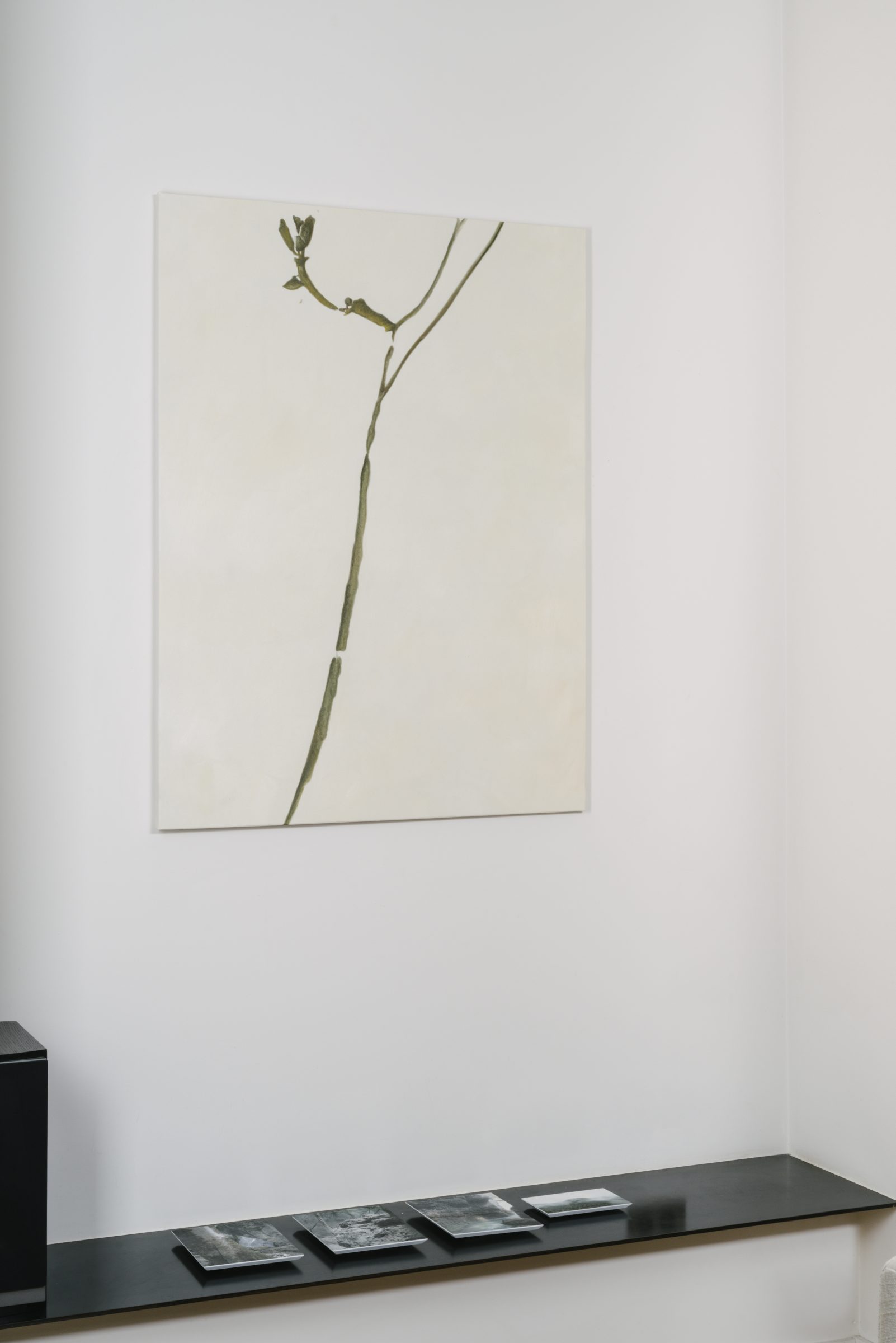
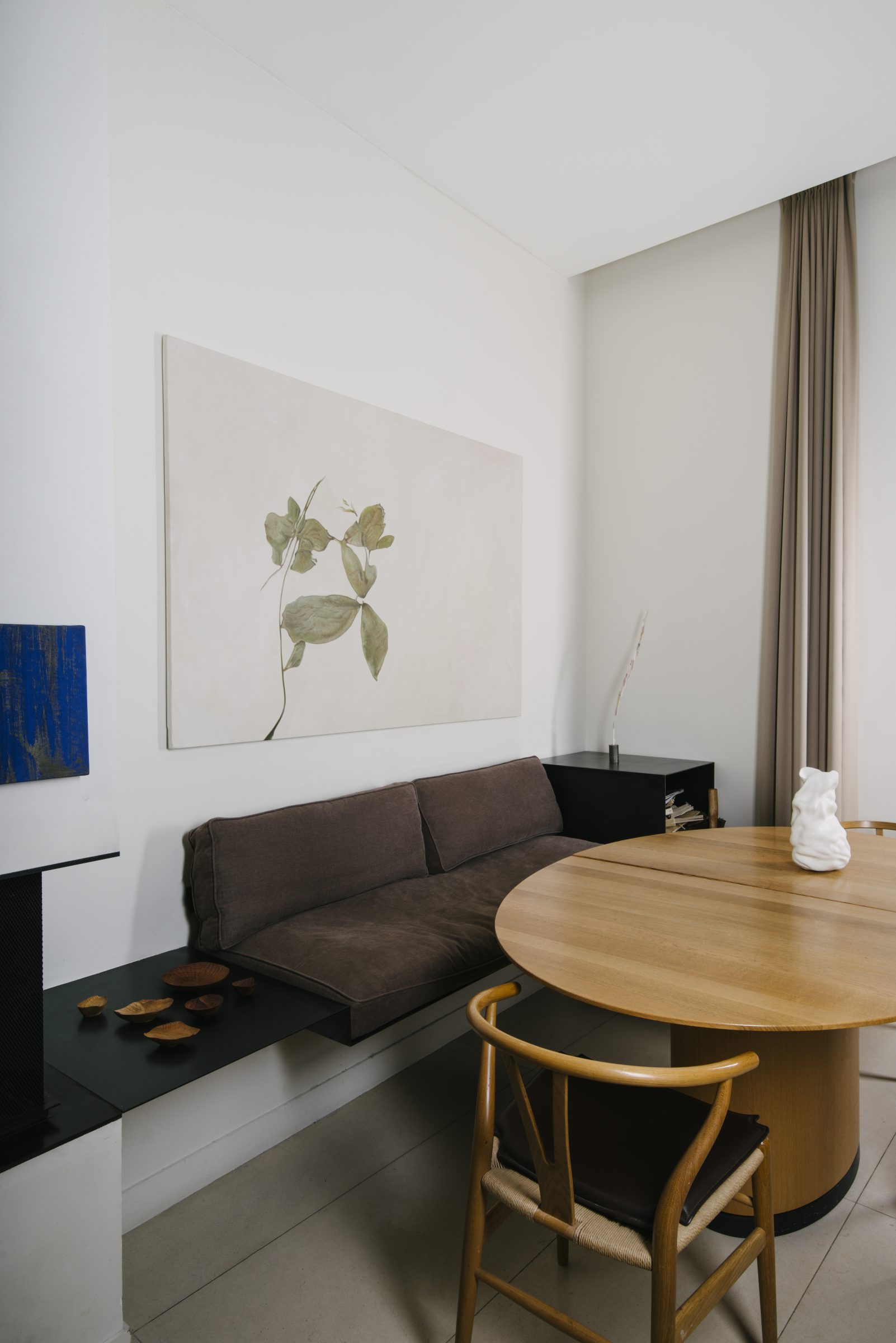
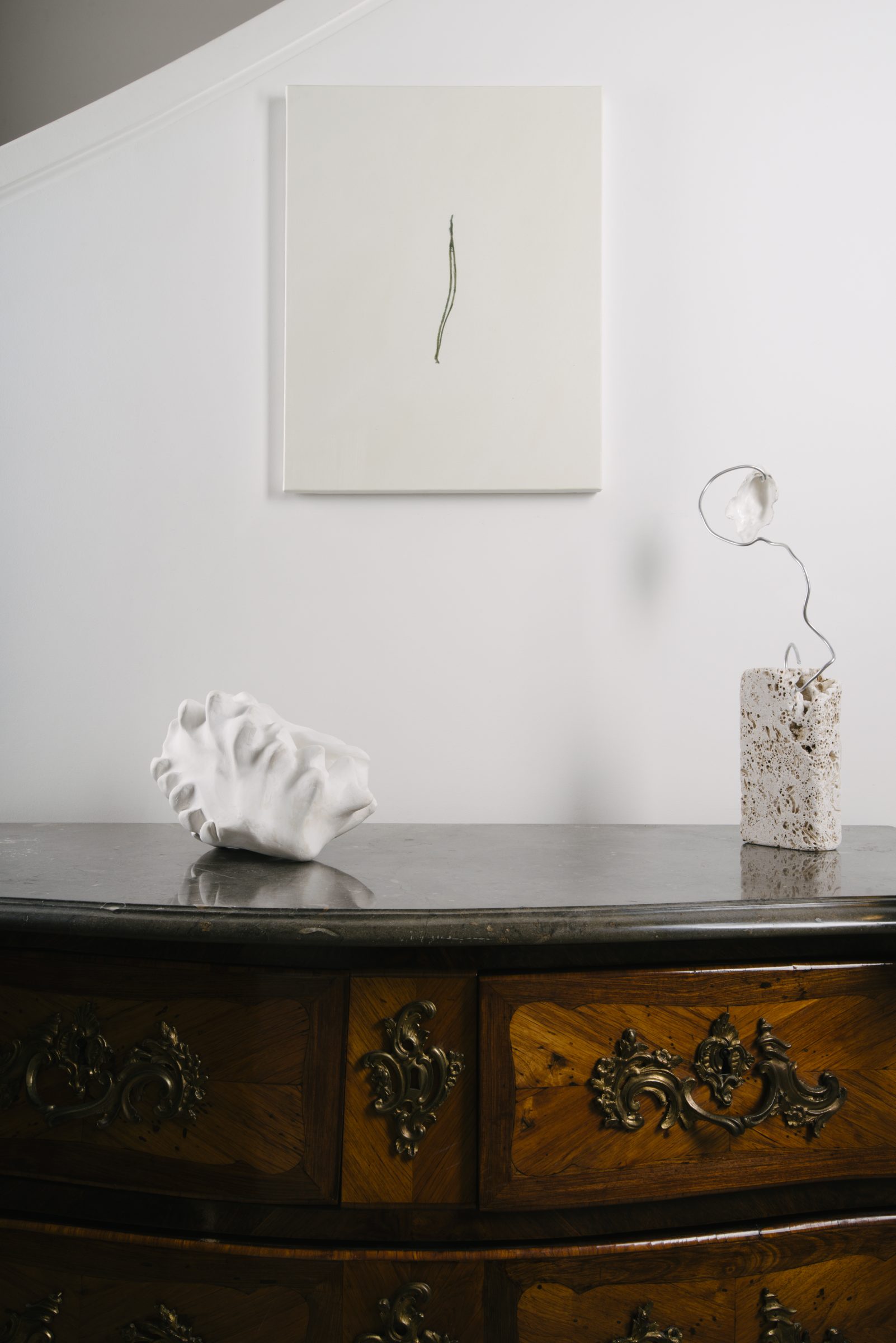
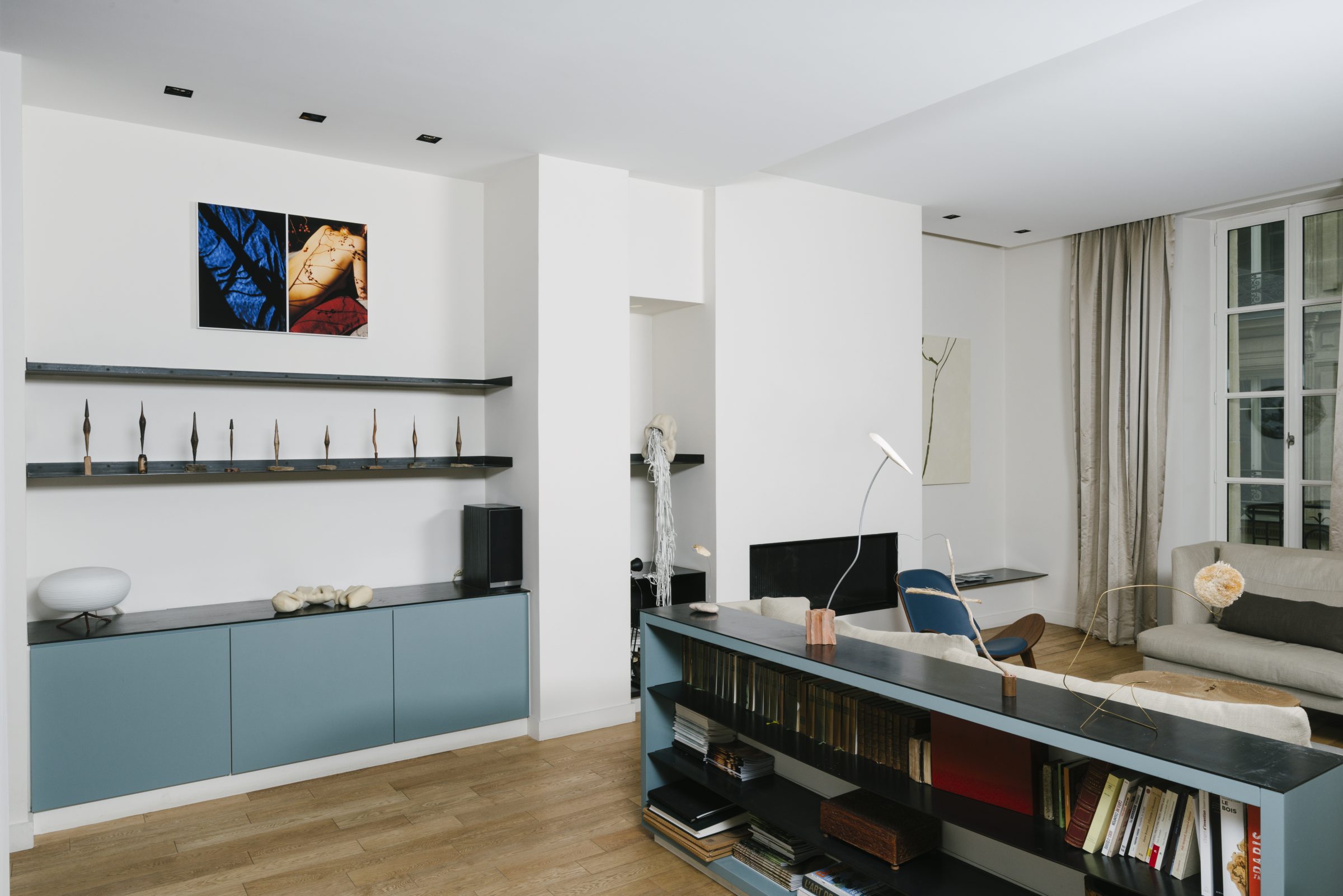
Photo Adrien Thibault
Certain artistic forms seem to be animated by the energy of ploughing. Furrows "Sillons" in French - are first associated with weight: they are “heavy,” by analogy with the scarcely poetic figure of the ox, whose mass cuts into the fields. This image survives in the boustrophedon, the term for an archaic mode of writing in which lines alternate from left to right and then from right to left, like an ox ploughing a field. Ancient Greek writing is thought to have followed this pattern: “They then took it into their heads to write in furrows, that is, turning alternately from left to right and then from right to left” (Rousseau, Essay on the Origin of Languages, 5).
To carve into matter is an act that unfolds over time. Might the same be said of the artist, whose work proceeds not in a single sweep but through turns, returns and circumvolutions? Is it because a work has taken time to make that we are inclined to give more time to looking at it? In the apparent slowness contained in the image of the furrow, things happen gradually, step by step. In a similar way, certain poetic and visual forms call for germination: to watch the work coming into being, to prepare it as one might clear and cultivate a plot of land.
Beginning with this graphic and visual culture of the furrow, everyday language generally associates the word with the incision made by the ploughshare: a cut fundamentally opposed to the monolith, and one that implies a certain vulnerability. As older agricultural techniques have faded from use and been replaced by machinery, this image has curiously shed its sense of elevation, leaving behind only the narrow hollowed line. Yet originally the furrow was as much a matter of relief as of depth. For many authors, the term refers both to the ridge, that which rises upwards, and to the depression below, the narrow strip between two banks into which seed is broadcast.
It is precisely this difference in level that makes sowing possible, just as, for certain artists, removal matters as much as addition. Seen in this way, the furrow does not so much define the visible trace left after the fact as an action unfolding in successive stages over time. A breach carrying a meaning that already belongs to a future act of interpretation, the furrow is, in this sense, an eminently poetic figure.
More profoundly still, the vocabulary of poetry is itself intimately connected to the trenches opened in the earth by the ploughshare: strophe (from the Greek strophein) and verse (from the Latin versus) both refer etymologically to the turning of the furrow. The furrow is also an imprint, as suggested by its linguistic kinship in French with sillage, the wake or trace left by beings and things moving through fluids.
The slow, physical impression of the furrow upon the viewer’s eye seems to imbue the image with a gentle pulse: the furrow might assume the symbolic form of a network of veins irrigating the material as a whole, a movement perhaps already contained in the liquid consonance of the French word itself: si-ll-on.
The works brought together in the exhibition have been deliberately selected for the freedom with which they interpret the theme of the furrow. Materially and visually, notions of imprint, breach, incision and the varying expansion or contraction of space find sensitive echoes throughout the exhibition. Rather than offering literal responses, the works summon a shared imaginary deeply marked by this archaic imagery.
Half of the proceeds from the sale of the artworks will be donated to the Fertile Art association to support the production costs of the artists’ residencies organised at the Domaine de Toury.
Read the press release → View →